Synergy between Student Community Service Program and Local Government in Making Tabek Panjang Village Runners a Success
DOI:
https://doi.org/10.58712/vore.v1i1.2Keywords:
community service program, healthy lifestyle, student-government collaboration, village sports, SDGsAbstract
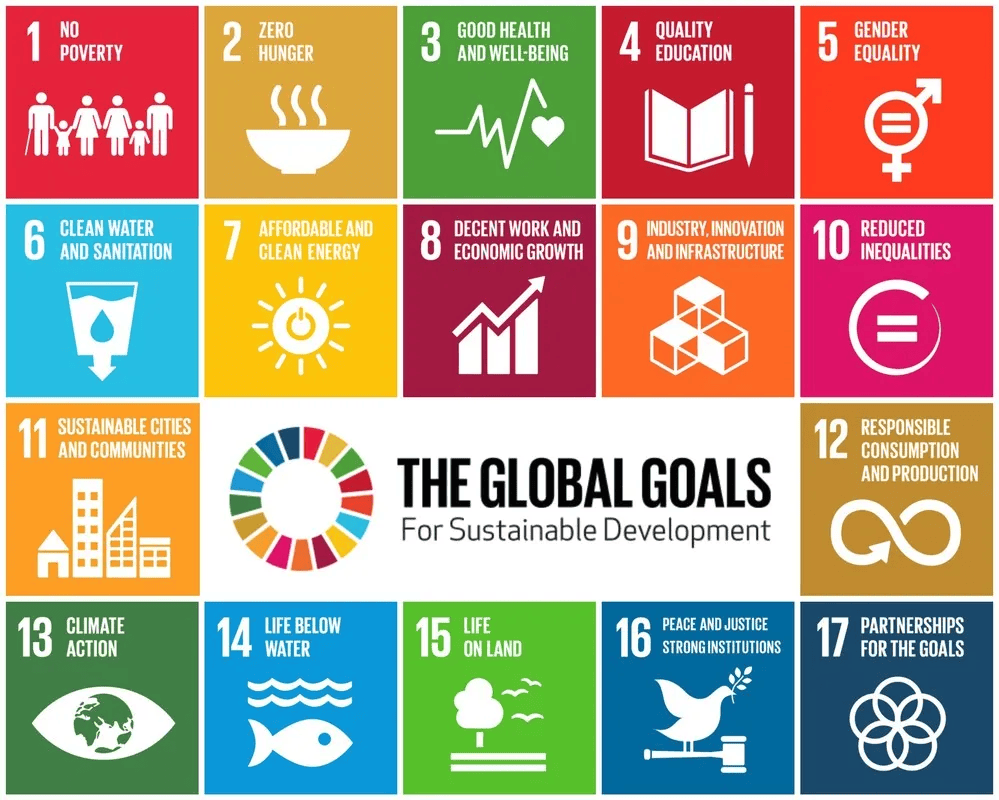
This community service activity aims to describe the synergy between students participating in the University of Padang's Community Service Program (KKN) and the local government in supporting and ensuring the success of the annual Tabek Panjang Village Runners event. This activity was held on June 17, 2025, in Nagari Tabek Panjang, Baso District, Agam Regency, West Sumatra Province. Tabek Panjang Village Runners is an annual routine agenda organized by the nagari government as an effort to promote a healthy lifestyle, increase public awareness of the importance of physical activity, and strengthen social bonds and solidarity among residents. In its implementation, KKN students played an active role as part of the organizing committee, from the planning stage, technical preparations, to the implementation of activities in the field. This activity involved various age groups, from children to the elderly, reflecting the inclusive and community-based nature of the program. The results of the activity showed an increase in community participation in sports activities and closer collaboration between academic institutions and local governments. In addition to having a positive impact on public health, this activity also contributes to the achievement of the Sustainable Development Goals (SDGs), particularly Goal 3 (Good Health and Well-being), Goal 11 (Sustainable Cities and Communities), and Goal 17 (Partnerships for the Goals).
References
Alfarisyi, H., Syakti, F., Istiqomah, A., Arifin, A. A., Fika, K. A. R., Alvarizi, M. I., Firna, N., Kusuma, R., Jaya, R. M., & Alvareno, V. (2025). Implementasi KKNT Mahasiswa Berbasis Partisipatif dalam Pemberdayaan Pendidikan, Lingkungan, dan Ekonomi di Desa Purwosari. JDISTIRA-Jurnal Pengabdian Inovasi Dan Teknologi Kepada Masyarakat, 5(2), 355–361. https://doi.org/10.58794/jdt.v5i2.1492
Guo, X., Yang, X., & Mao, S. (2025). Study on the impact of rural public sports facilities and instructors on residents’ participation in sports activities in China. Frontiers in Public Health, 13, 1475321. https://dx.doi.org/10.3389/fpubh.2025.1475321
Hak, I., Umar, K., Arifin, A. N., Tiro, S., & Supandi, S. (2024). Pemberdayaan Partisipatif Komunitas Perempuan Penggerak Untuk Perubahan di Kepulauan Tanakeke, Takalar. Ruang Komunitas: Jurnal Pengabdian Masyarakat, 2(2), 84–92. https://doi.org/10.24252/rkjpm.v2i2.52158
Hermanto, B. A. (2014). Perencanaan Partisipatif Dalam Proses Pemberdayaan Masyarakat:(Studi Kasus Program Nasional Pemberdayaan Masyarakat Mandiri Perdesan Di Kecamatan Trowulan Kab. Mojokerto). Jurnal Intake: Jurnal Penelitian Ilmu Teknik Dan Terapan, 5(2). https://doi.org/10.48056/jintake.v5i2.69
Murdiono, M., & Rodiyah, I. (2024). Karang Taruna’s Role in Youth Empowerment Through Sports and Skill Training Programs. Indonesian Journal of Cultural and Community Development, 15(3), 10–21070. https://dx.doi.org/10.21070/ijccd.v15i3.1066
Pelletier, C., Cornish, K., Amyot, T., Pousette, A., Fox, G., Snadden, D., & Manyanga, T. (2022). Physical activity promotion in rural health care settings: A rapid realist review. In Preventive Medicine Reports (Vol. 29). https://doi.org/10.1016/j.pmedr.2022.101905
Poczta, J., & Malchrowicz-Mośko, E. (2018). Social aspects of running events participation in rural areas–the impact on health and physical activity. Journal of Education, Health and Sport, 8(9), 1223–1239. http://dx.doi.org/10.5281/zenodo.1423200
Sonjaya, Y., Noch, M. Y., & Sutisna, E. (2024). The Role of Appropriate Technology in Sustainable Development Design. Advances in Community Services Research, 2(1), 24–36. https://dx.doi.org/10.60079/acsr.v2i1.341
Tanjung, Y., & Saputra, S. (2023). Sinergitas Pemerintah dan Komunitas Desa Dalam Pengelolaan Pemberdayaan Masyarakat Berbasis Kearifan Lokal di Kabupaten Deli Serdang. Sospol, 9(2), 261–272. https://dx.doi.org/10.22219/jurnalsospol.v9i2.28286
Yusof, M. I. M., & Ariffin, M. (2021). Youth engagement in the implementation of the Sustainable Development Goals (SDGs) in Asian countries. International Journal of Academic Research in Business and Social Sciences, 10(3), 956–974. https://dx.doi.org/10.6007/ijarped/v10-i3/10359
Zhou, R., & Kaplanidou, K. (2023). The outcomes of social capital among event runners: quality of life considerations. International Journal of Sports Marketing and Sponsorship, 24(5), 913–927. https://dx.doi.org/10.1108/IJSMS-03-2023-0045
Downloads
Published
Issue
Section
License
Copyright (c) 2025 Nilam Sayo Reina, Fariqh Febrian, Muhammad Rayhan Al Zikra, Kayla Mazaya Salsabila, Harun Yahya

This work is licensed under a Creative Commons Attribution 4.0 International License.
 STKIP PESISIR SELATAN